
The Power of Rest: Why Recovery Days are Essential for Building Strength and Fitness
When it comes to building strength and achieving fitness goals, it’s easy to think that more is better. After all, the harder you push, the more gains you make, right? Not quite. While pushing your limits is important, rest and recovery days play a crucial role in any effective fitness regimen. Here’s why taking a step back can actually propel you forward in your fitness journey. That’s why we recommend playing/working out to our Fit-N-Fun Bootcamp Boardgame no more than 4 days/week.
The Science Behind Recovery
Exercise, especially strength training, causes microscopic damage to muscle fibers. This might sound alarming, but it’s actually the body’s way of adapting and becoming stronger. When you rest, your body works to repair these fibers, making them more resilient and capable of handling greater stress in the future. Without adequate recovery, your muscles don’t have the time they need to heal and grow, which can lead to overtraining and injuries.
Preventing Overtraining
Overtraining is a common issue among fitness enthusiasts who are eager to see results. Symptoms can include fatigue, decreased performance, persistent muscle soreness, and even mood disturbances. By incorporating rest days into your routine, you allow your body to fully recover and prevent the negative effects of overtraining. This helps maintain your motivation and ensures that you continue making progress.
Mental Health Benefits
Rest days aren’t just about physical recovery; they’re also crucial for mental well-being. Continuous training without breaks can lead to burnout, making workouts feel like a chore rather than an enjoyable activity. Taking time to rest allows you to recharge mentally, reducing stress and improving overall mood. This mental refresh can make you more enthusiastic about your workouts and help you stay committed to your fitness goals.
Enhancing Performance
It might seem counterintuitive, but resting can actually make you stronger and faster. When you give your body the chance to recover, you’re able to perform at your best during your next workout. This means you can lift heavier, run faster, and push harder, ultimately leading to better overall performance. Think of rest days as an investment in your future gains; you’re giving your body the time it needs to come back stronger.
Listening to Your Body
Everyone’s body is different, so it’s important to listen to your own needs. Some people may need more frequent rest days, while others might require less. Pay attention to how your body feels and don’t ignore signs of fatigue or pain. It’s better to take an extra day off than to push through and risk injury.
Active Recovery
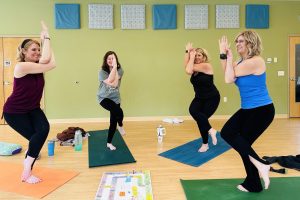
Yoga = Active Recovery
Rest days don’t have to mean complete inactivity. Engaging in light activities such as walking, yoga, or stretching can promote blood flow to the muscles, aiding in the recovery process. This type of active recovery can help reduce stiffness and keep you moving without putting undue stress on your body.
Conclusion
In the pursuit of strength and fitness, rest and recovery days are just as important as your workout sessions. They allow your muscles to repair and grow, prevent overtraining, enhance mental well-being, and ultimately improve performance. So, next time you plan your fitness schedule, remember to include those much-needed rest days. Your body will thank you, and you’ll see better results in the long run.
Take a breather—you’ve earned it!
Hugs & Health – Michelle
**Disclaimer: Please always consult your physician before beginning this or any exercise program.
Leave a Reply